Safari camps are more than just destinations—they are living businesses, often family-run or small-scale operations, combining hospitality, conservation, and local community engagement. Yet, over time, many of these camps change ownership. Understanding why requires looking beyond the surface to the forces shaping the industry: succession, scale, and stewardship.

1. Succession: Passing the Torch
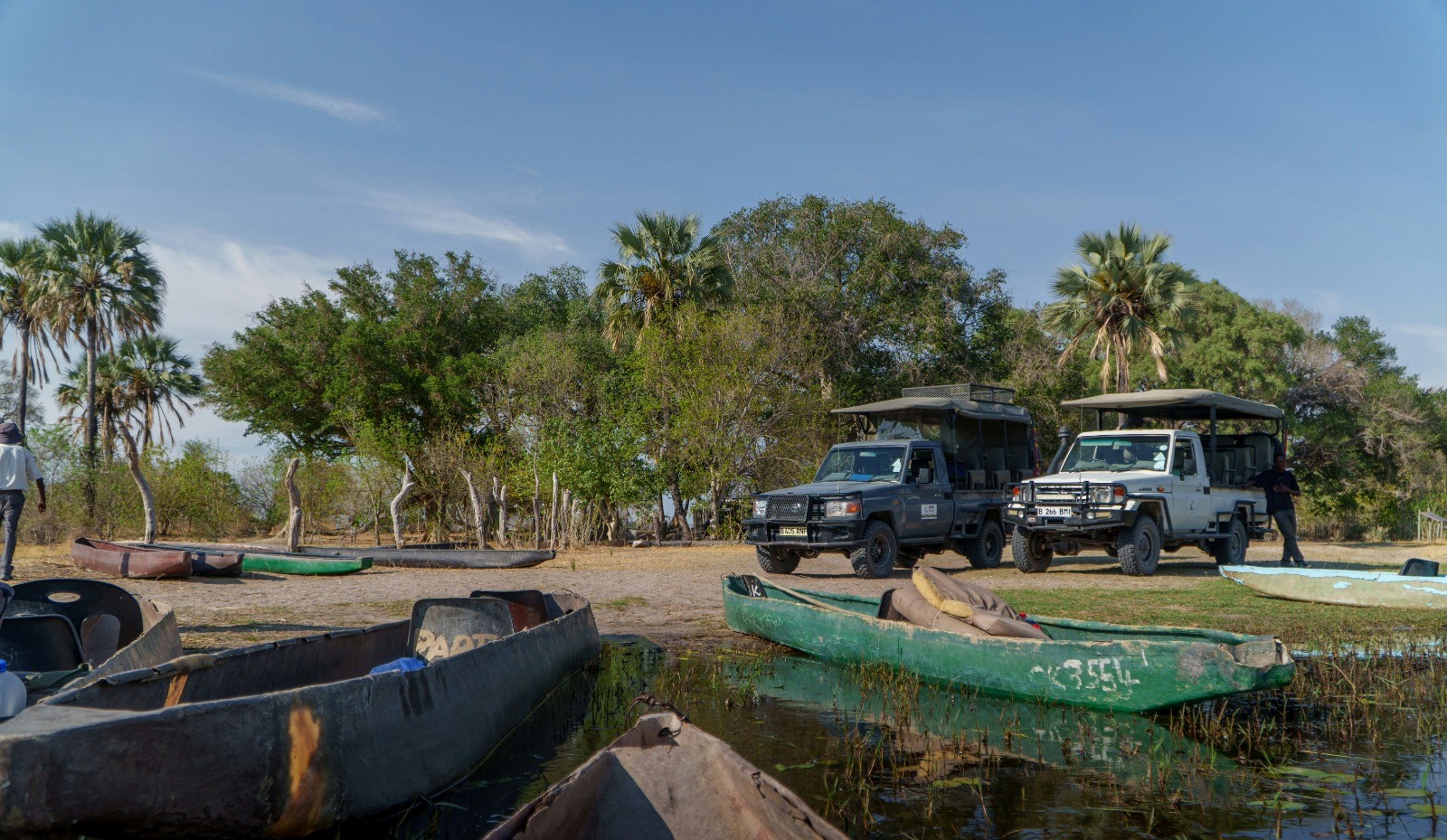
Many safari camps are founded by passionate individuals or families. Over decades, these founders build deep connections with staff, wildlife, and the local community. However, when the next generation has different ambitions, limited interest, or lacks the expertise to run such a complex operation, camps often find new stewards. This transfer ensures continuity while enabling founders to exit gracefully, preserving the camp’s legacy.
2. Scale: The Economics of Growth
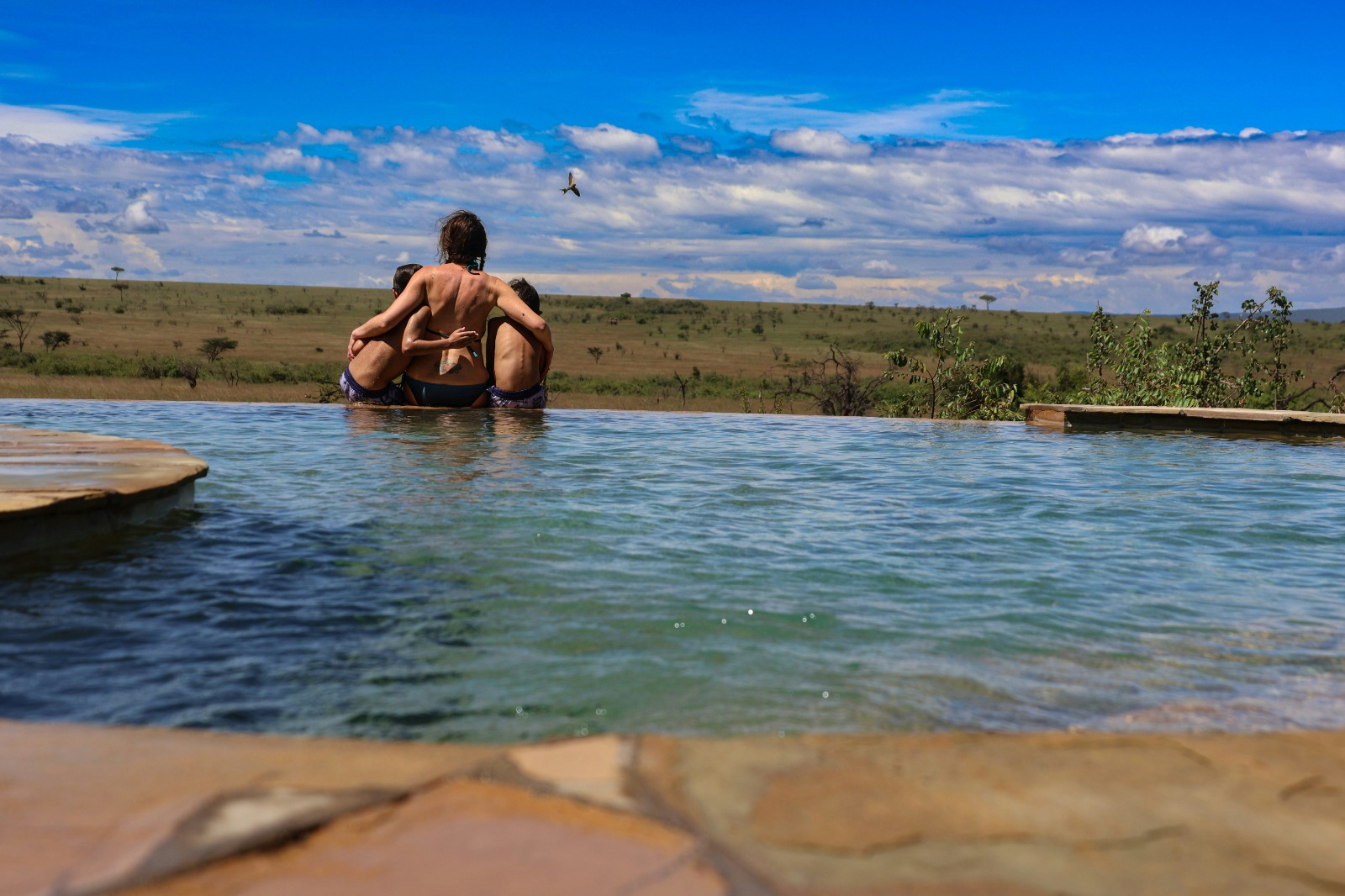
Operating a safari camp involves significant capital, from infrastructure and staffing to environmental management and guest services. Smaller operators may find it increasingly challenging to compete with larger, consolidated safari brands that can leverage economies of scale, marketing reach, and global distribution networks. Selling or merging camps allows owners to realize value and invest in growth or diversification, while buyers gain established operations that scale efficiently.
3. Stewardship: Conservation and Community
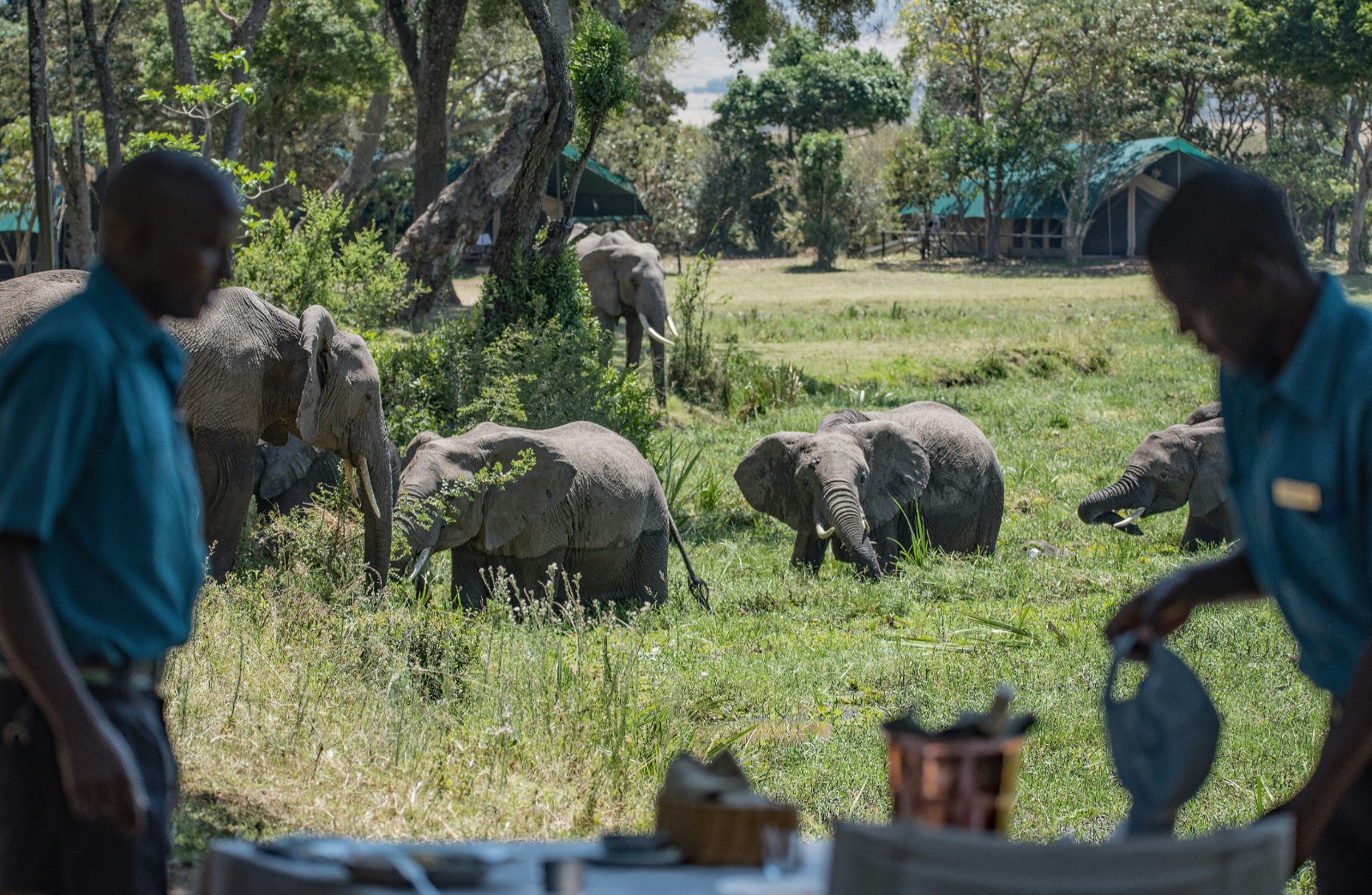
Safari camps operate in delicate ecosystems. Ethical ownership is critical—not only for wildlife and habitat preservation but also for supporting surrounding communities. Transfers often occur to ensure ongoing stewardship, bringing in operators with the resources, expertise, and commitment to uphold conservation standards. For investors, stewardship is a key consideration: responsible management protects both natural assets and the long-term viability of the business.
Conclusion
Ownership changes in the safari sector are driven by a blend of personal, financial, and environmental factors. Succession planning, the economics of scale, and a commitment to stewardship all influence when and why camps trade hands. For investors and operators alike, understanding these dynamics is essential to maintaining the balance between profitability, conservation, and the authentic safari experience.